
Last updated: July 2026
Why Re-Roofing Is the Best Time to Insulate Your Attic
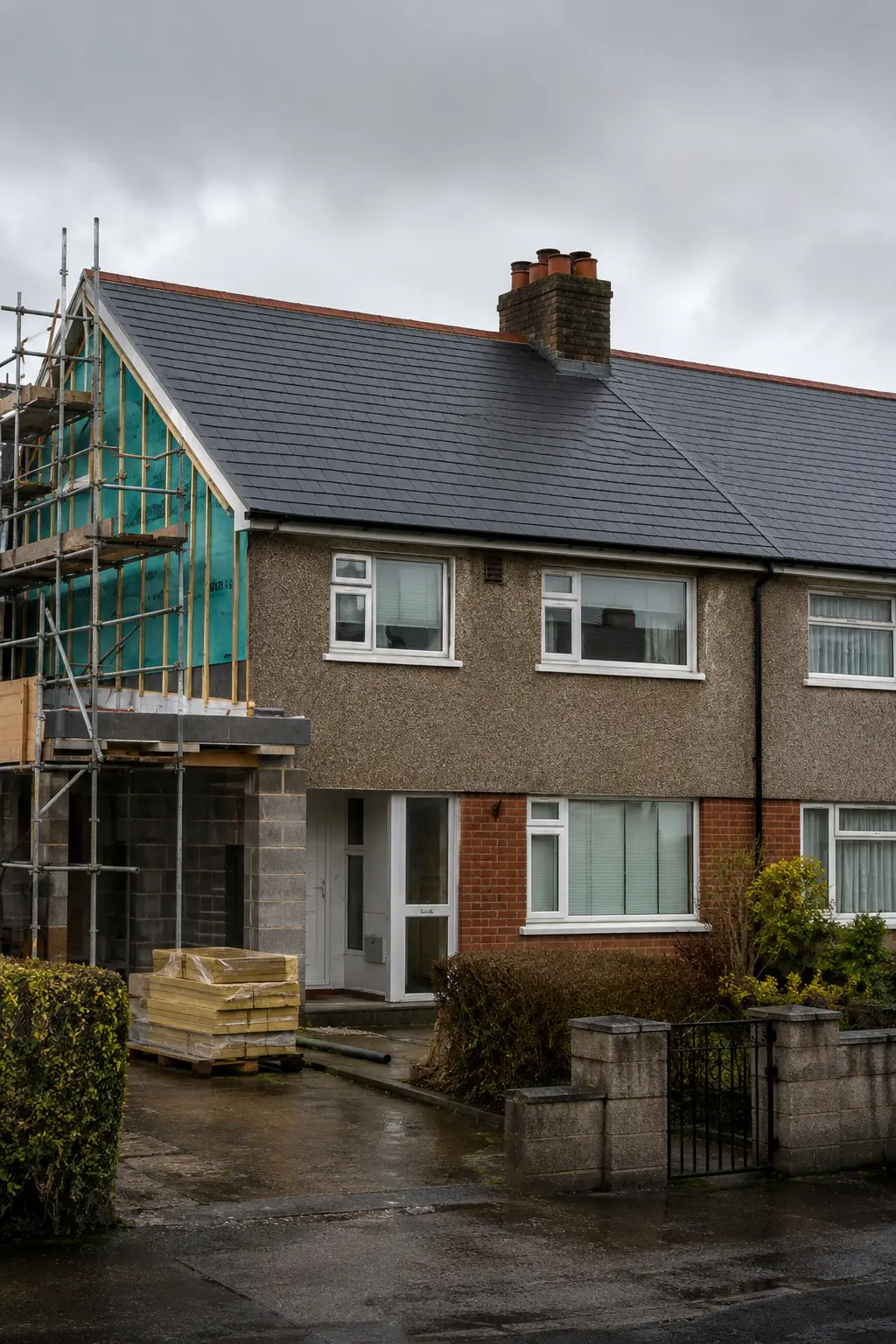
Re-roofing and SEAI grants work best when you plan them together, because the day the old covering comes off is the one time the attic is fully open and the scaffold is already standing. The two jobs that normally cost the most to set up, getting into the attic and getting safe access to the roofline, are already done and already paid for.
Attic insulation is the highest-value energy upgrade for most Irish homes, and it is far easier to lay or top up when the roof is stripped and the rafters are exposed. Doing it on its own later means paying again for access and working around a finished ceiling. A re-roof removes both problems, so the sensible move is to bring in an SEAI-registered insulation contractor while the scaffold is up.
SEAI Grants for Attic and Wall Insulation in 2026
The Sustainable Energy Authority of Ireland pays cash grants towards attic and wall insulation for homes built and occupied before 2011. The amount is a fixed sum rather than a percentage, and it is set by the type of home you have, so a detached house draws more than a semi-detached, which draws more than a mid-terrace or an apartment. There are higher rates again for first-time buyers and for homeowners on qualifying welfare payments. SEAI revises the figures periodically and did so during 2026, so the only reliable number is the one on SEAI's own grant pages. Check it there before you budget, and treat any figure you read elsewhere, including on a contractor's website, as out of date until you have confirmed it.
Households on certain social welfare payments may instead qualify for the SEAI Warmer Homes scheme, which funds the energy upgrades it covers rather than part-funding them. It pays for insulation and related energy measures, never for the roof covering itself, so it does not reduce the cost of the re-roof. Either way, a grant only applies when a registered contractor carries out the work and the paperwork is filed correctly, which is another reason to line the insulation up as part of the re-roof rather than as a rushed afterthought.
What to Do in What Order: Roof, Insulation, Then Heating
The order matters. Sort the structure first, because there is no point insulating or fitting solar under a roof that is about to fail. If the covering is near the end of its life, re-roof it, upgrade the attic insulation while the access is there, then look at heating and renewables once the fabric of the house is tight.
This fabric-first sequence is exactly what the SEAI home energy schemes are built around. Once the roof and insulation are done, a heat pump or solar PV system is the natural next step, and both carry their own SEAI grants. When the house is ready for it, you can line up registered heat pump installers to take it from there. If your roof is genuinely past saving, the roof replacement guide walks through the signs and the process.
Roof-Mounted Solar: Check the Roof Before the Panels Go On
Solar panels last around 25 years, so they should only go onto a roof with at least that much life left. Fitting them to tired slates or a corroded sheet roof means paying to strip and refit the whole array when the roof finally gives out. If the covering is near the end of its life, re-roofing first and adding solar afterwards is far cheaper than doing it twice.
The same scaffold that serves the re-roof can serve the panel install, so even here the saving comes from paying for the access only once. Get the roof sound, top up the insulation, then bring in the solar team.
What Re-Roofing and Insulation Cost, and How the Grant Helps
A full re-roof on a typical three-bedroom semi runs from EUR 8,000 to EUR 14,000 in concrete tile, and more in natural slate. Topping up the attic insulation adds only a few hundred euro when the roof is already open, and the SEAI grant claws a large share of that back. For the full breakdown of roofing prices, see the roofing cost guide.
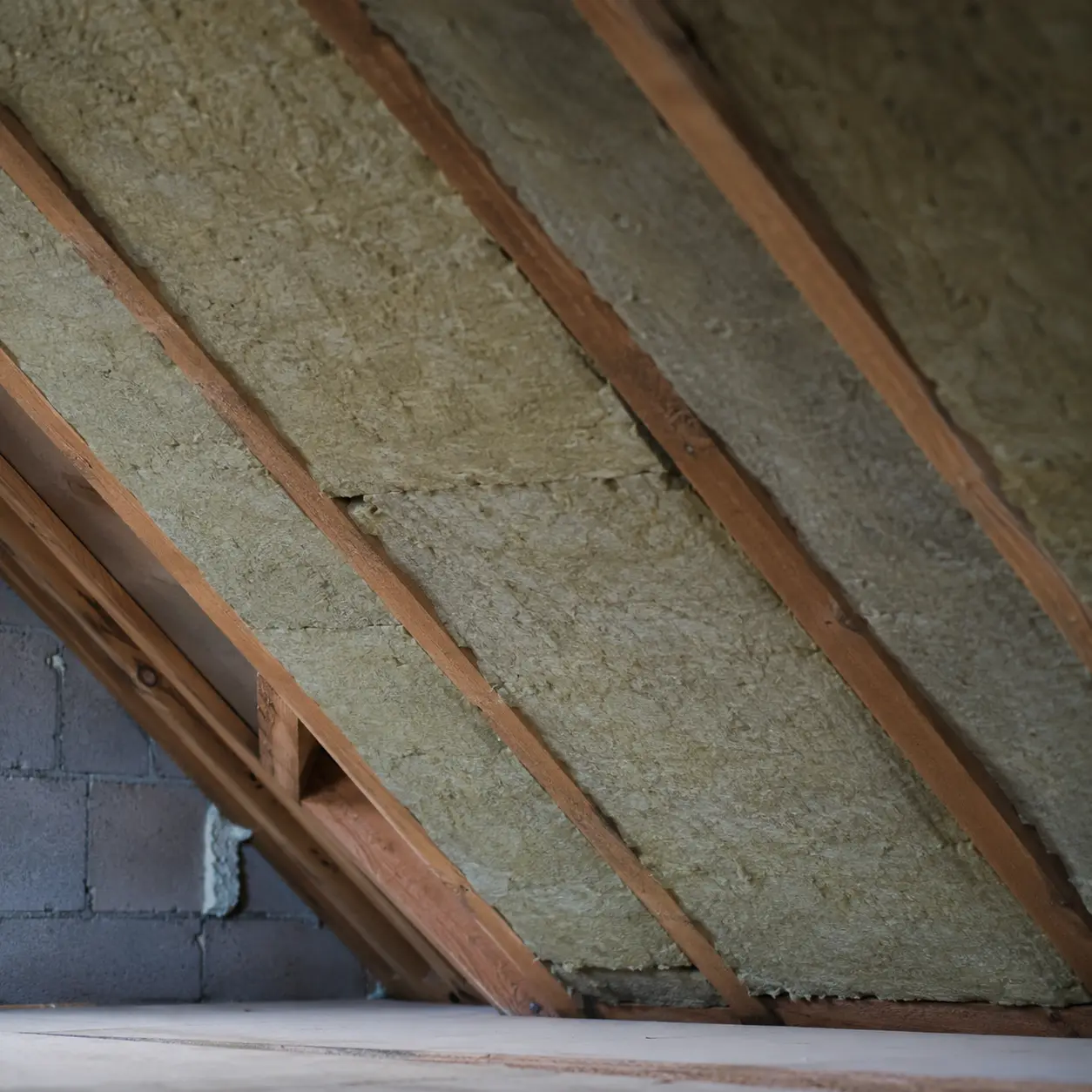
Planned together, re-roofing and SEAI grants turn two disruptive jobs into one, because the expensive part, the access, is only paid for once. Get three written quotes, check that every contractor is registered for the grant work, and warm the house up while the scaffold is still standing.